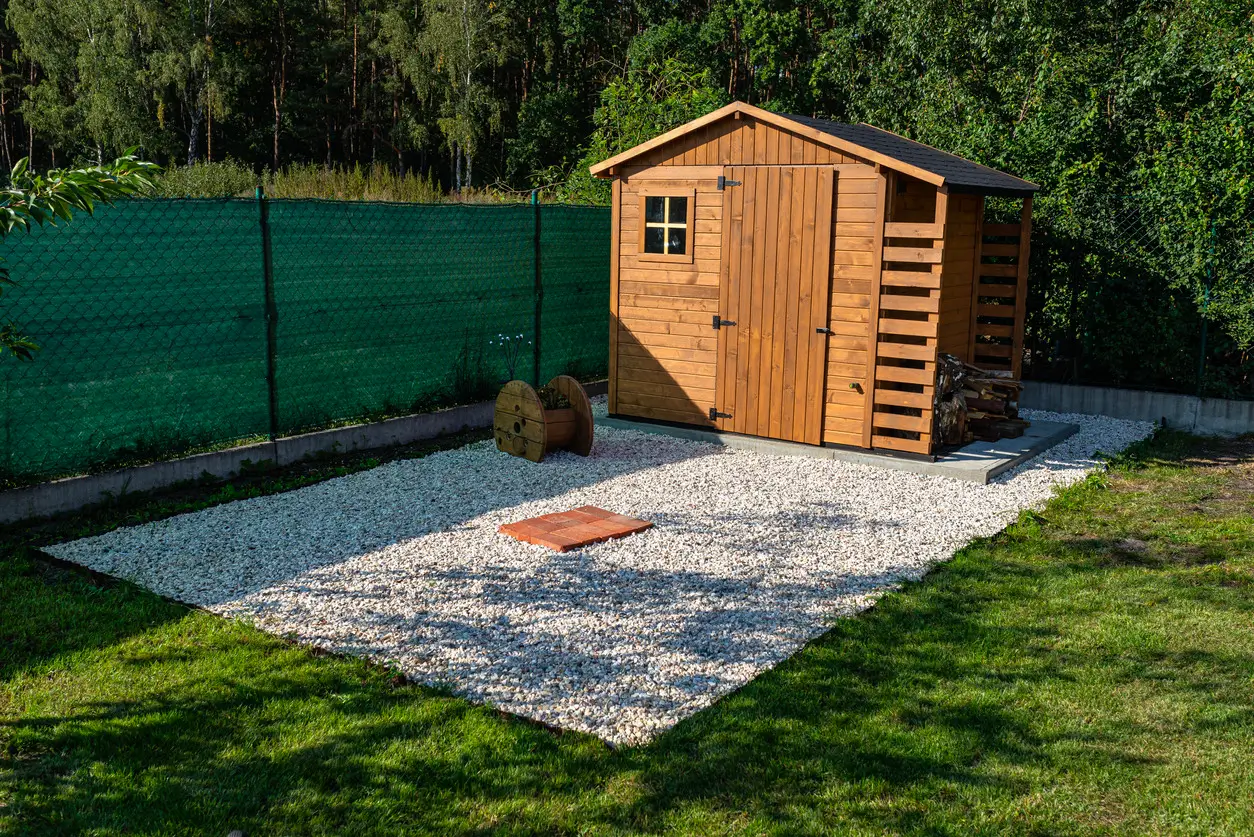
Is a concrete base really necessary for a garden shed?
This is one of the most common questions Enfield homeowners ask before installing a new shed. The short answer is: not every shed strictly requires concrete — but for most gardens in Enfield, a concrete base is the safest, longest-lasting option.
Sheds fail early for one main reason: the base underneath them moves, sinks, or holds water. A properly installed Concrete Shed Base Enfield service eliminates those issues by creating a level, load-bearing foundation designed for British ground conditions.
What happens if a shed sits on a poor base?
Even a high-quality shed can suffer if the base isn’t right. Over time you may notice:
- Doors that stick or no longer close properly
- Floors that feel soft or uneven underfoot
- Water pooling around the base after rain
- Timber panels absorbing moisture and rotting early
These problems are especially common in Enfield gardens with clay soil or poor natural drainage. Once a shed starts to twist or sink, repairs are difficult — and often more expensive than installing the correct base from the start.
When a concrete shed base is strongly recommended
A concrete base isn’t just about strength — it’s about stability and longevity. You should seriously consider a concrete base if any of the following apply:
- Your shed is larger than a basic tool store
- You plan to store heavy equipment or machinery
- The shed will be used as a workshop or home office
- The garden ground is uneven or slopes
- You want a low-maintenance, long-term solution
In these situations, a professionally installed Concrete Shed Base Enfield setup provides a flat, solid platform that protects both the structure and anything stored inside.
Are alternatives like paving slabs or timber bearers enough?
Slabs, sleepers and plastic grids can work for very small sheds — but they come with limitations. Individual slabs can shift independently, timber bearers can rot, and lightweight systems rarely offer proper drainage control.
Concrete, when installed correctly, acts as a single reinforced slab. This distributes weight evenly, resists movement, and keeps the shed square for years without adjustment.
Homeowners who plan to keep their shed long-term usually choose concrete to avoid future problems.