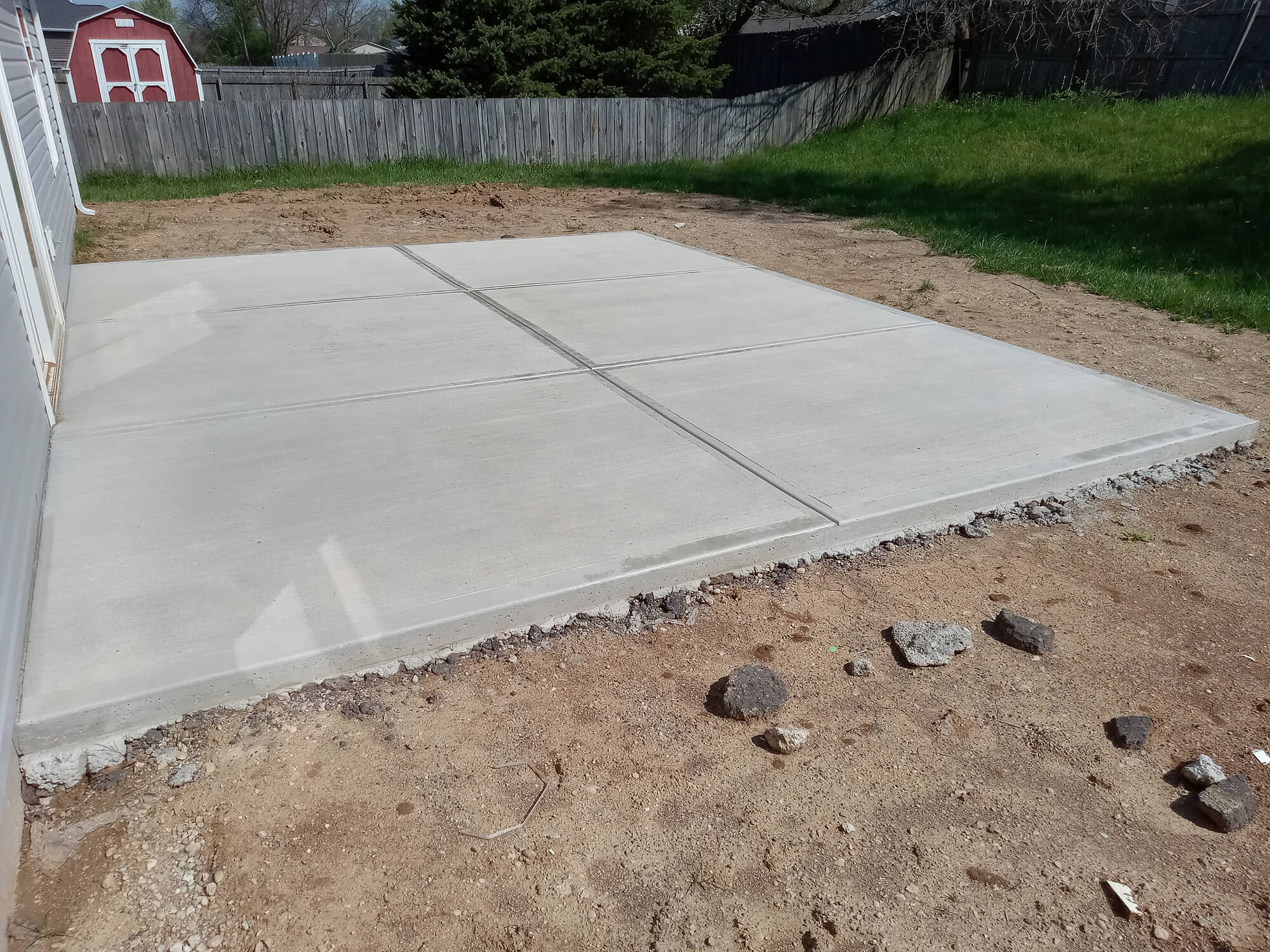
Concrete Shed Base Enfield – Common Problems Caused by Poor Shed Bases
Many shed problems don’t start with the shed itself – they start underneath it. A poor or badly prepared base can cause doors to jam, floors to rot, frames to twist and water to collect around your structure. If you’re planning a garden building, understanding these issues early helps you avoid expensive repairs later. This guide explains the most common problems homeowners face when a shed isn’t sitting on a proper concrete shed base in Enfield and what should happen instead.
Written for Enfield homeowners planning a shed, summerhouse or log cabin.
Why a Bad Shed Base Causes So Many Problems
A shed base does more than hold the structure up. It controls moisture, keeps weight evenly distributed, prevents movement, and protects the frame from ground contact. When that base is uneven, shallow, poorly drained, or laid directly on soil, the shed starts to move and degrade.
In Enfield gardens, where soil conditions, drainage patterns and access can vary between streets, poor preparation is one of the biggest causes of early shed failure. The shed may look fine for the first few months, but small base issues slowly turn into large structural problems.
Homeowners often think the shed is faulty, when in reality the foundation underneath is what’s creating the damage.
How Shed Base Problems Develop Over Time
Problems from a poor shed base don’t usually appear instantly. They develop in stages, often going unnoticed until the damage is harder to fix.
First few weeks
The shed settles unevenly as weight presses into soft ground. Minor slopes appear, and doors begin to feel stiff or misaligned.
After a few months
Water starts pooling where the base is low. Timber absorbs moisture, metal fittings begin to corrode, and movement becomes more noticeable after rainfall.
After one year and beyond
Frames twist, floors rot, gaps appear between panels, and fixings loosen. At this point, repairs often cost more than installing the correct concrete base from the start.
Step-by-Step Problems Caused by Poor Shed Bases
Uneven settling and movement
When a shed sits on soil, slabs without preparation, or thin concrete, the weight of the building compresses the ground below. In Enfield gardens, this often happens unevenly because soil composition changes across a small area. One corner sinks faster than another, tilting the structure.
This movement puts stress into the frame, pulling joints apart and warping door openings.
Water pooling and damp penetration
Without correct levels and drainage planning, rainwater collects against the base. Standing water soaks into timber floors and wall plates. Over time this causes rot, mould and soft spots that weaken the shed from underneath.
Twisting frames and stuck doors
When a base is out of level, the shed’s weight shifts. Frames twist, doors rub, and locks stop lining up. Many homeowners in Enfield think the shed was badly made, but it’s usually reacting to a base that’s no longer flat.
Cracking and slab failure
Thin concrete without a compacted sub-base can crack as the ground moves below it. Those cracks let water in, freeze-thaw cycles widen them, and sections of the slab start breaking away.
Factors That Increase Shed Base Failure in Enfield
Not every bad base fails at the same speed. Several local and practical factors determine how quickly problems appear.
Soil and drainage conditions
Some Enfield areas have clay-heavy soil that holds water. Without a membrane and compacted sub-base, moisture stays trapped under the shed and accelerates movement and decay.
Garden access limitations
Restricted access often leads to shortcuts in preparation. If excavation depth is reduced because access is awkward, the finished base lacks stability.
Weight of the structure
A small storage shed might tolerate minor errors for a while, but log cabins, workshops and garden rooms are heavier. Poor bases under heavy structures fail faster and more dramatically.
Local weather exposure
Enfield weather brings cycles of rain, cold and mild temperatures. Moisture expansion and contraction in poorly built bases increases cracking and movement over time.
How Shed Size Changes the Risk
The larger the shed, the more important the base becomes. Small bases hide issues temporarily, but bigger footprints magnify every mistake.
Small sheds
Minor slopes may not be obvious immediately, but water pooling and timber contact with damp ground still shorten lifespan.
Medium garden buildings
Summerhouses and workshops require load distribution. If the base flexes, panels loosen and floors sag.
Large log cabins and garden rooms
These structures demand a stable, reinforced slab. Without it, doors warp, walls separate, and repairs become complex and expensive.
Enfield-Specific Shed Base Considerations
Enfield properties vary from terraced housing with narrow access to wider suburban gardens. Planning a base locally involves understanding working space, boundary proximity, and surface water flow.
Many gardens slope slightly toward fences or neighbouring properties. If a shed base ignores this, water naturally runs back toward the structure instead of away from it.
Regulations also affect some projects. Larger garden buildings may require planning consideration. Homeowners can review guidance through the UK Planning Portal on gov.uk planning permission guidance before installing substantial structures.
This is why local preparation and drainage design matter just as much as the concrete itself, you can see our Enfield coverage areas on our location page below:
View Enfield Coverage Areas
Planning Rules for Garden Buildings in Enfield
Before installing a shed, summerhouse, or garden room, it’s important to understand local planning rules. Size, height, placement near boundaries and overall use can affect whether permission is required.
The UK Government provides clear, up-to-date guidance for homeowners planning outdoor structures. Reviewing this information helps avoid fines, rebuild costs, or neighbour disputes later.
You can read the official guidance here: UK Government Planning Permission for Outbuildings
Understanding the rules early allows your concrete shed base in Enfield to be designed correctly from the start.
When a Proper Concrete Shed Base Is Ready to Use
Another common issue is placing a shed on concrete before it’s ready. Concrete needs time to cure properly.
First 24–48 hours
The surface hardens, but the slab is still vulnerable to heavy loads.
After 3–7 days
Light structures can often be installed carefully, depending on thickness and conditions.
After 28 days
Concrete reaches most of its design strength. At this point, the base performs as intended long-term.
A properly built concrete shed base in Enfield supports weight evenly, sheds water correctly, and protects your structure for decades instead of years.
FAQ – Poor Shed Base Problems
Can I fix a bad shed base without replacing it?
Minor leveling may help temporarily, but structural movement usually comes from underneath. Most long-term fixes involve rebuilding the base properly.
Is concrete always better than slabs?
Slabs can work when installed correctly, but concrete provides a single, stable platform that distributes load evenly and resists movement better over time.
How thick should a shed base be?
Thickness depends on size and use, but most residential bases require proper excavation, compacted sub-base, and a reinforced concrete layer rather than thin surface pours.
Who should install my base?
Someone familiar with local access, drainage and load requirements. You can view full installation details on the Concrete Shed Base Services in Enfield page.
If You’re Seeing These Problems In Your Shed — The Base Is Usually The Cause
If your shed door is sticking, the floor feels uneven, or water is sitting around the base after rain, it’s rarely the shed itself causing the issue. In most Enfield gardens, these problems come from what’s underneath — a base that wasn’t prepared, levelled or built properly in the first place.
The key thing to understand is this: once movement, damp or structural stress starts, it doesn’t stop on its own. It usually gets worse over time, especially through changing weather conditions.
That’s why most homeowners either end up replacing the base entirely or installing a proper concrete base to stabilise everything long-term.
When it’s worth taking action
- Your shed feels uneven or has started to lean
- Doors or windows no longer close properly
- Water sits around or underneath the structure
- You’re planning a new shed, log cabin or garden building
If any of the above applies, it’s worth getting a clear idea of what your base actually needs before the problem gets worse or before installing a new structure on top of it.
We install concrete shed bases across Enfield with the correct excavation, sub-base, and level finish so these issues don’t come back. Every base is planned around your garden setup, access and the structure it needs to support.
click to see our detailed concrete base service page